
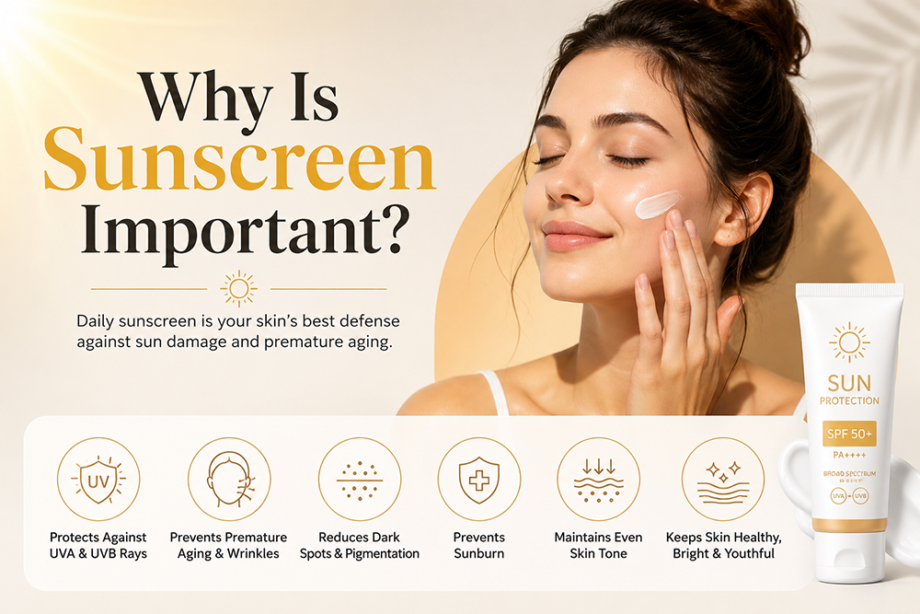
Sun protection is one of the most important steps in any skincare routine. Whether you’re dealing with oily skin, dryness, or sensitivity, wearing sunscreen every day helps protect your skin from harmful UV rays, premature aging, dark spots, and uneven skin tone.
The challenge is that not every sunscreen works for every skin type. A product that feels lightweight on oily skin may leave dry skin feeling tight, while a rich, moisturizing formula might feel greasy on oily skin.
In this guide, we’ve rounded up some of the best sunscreens for different skin types to help you choose the right one for your needs.
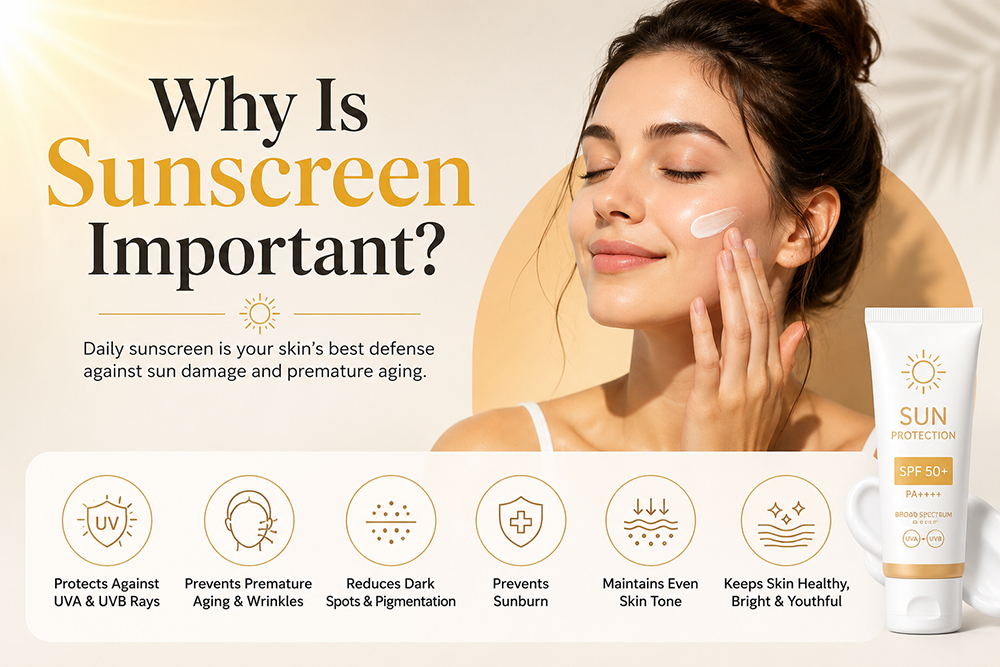
Why Is Sunscreen Important?
Daily sunscreen helps:
- Protect against UVA and UVB rays
- Prevent premature aging and wrinkles
- Reduce the risk of sunburn
- Minimize hyperpigmentation and dark spots
- Maintain an even skin tone
- Support healthy skin over time
Dermatologists generally recommend using a broad-spectrum sunscreen with at least SPF 30 every day, even when it’s cloudy.
Best Sunscreens for Oily Skin
People with oily skin should look for lightweight, non-comedogenic, gel-based, or matte-finish formulas that won’t clog pores.
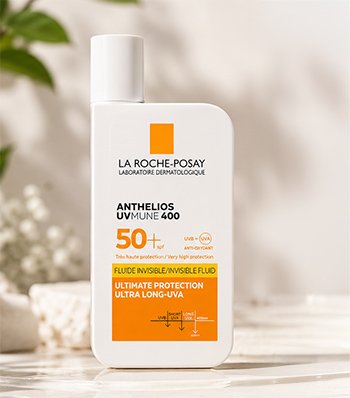
1. La Roche-Posay Anthelios UVMune 400 Invisible Fluid SPF 50+
Best For: Oily and acne-prone skin
Pros
- Ultra-light texture
- High UVA and UVB protection
- No white cast
- Water resistant
Cons
- Premium price
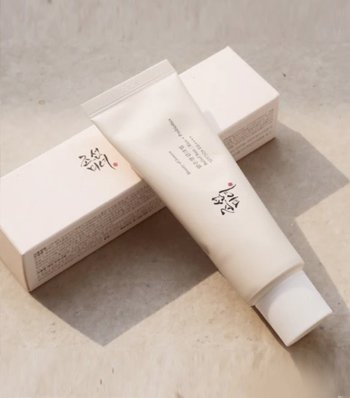
2. Beauty of Joseon Relief Sun SPF 50+
Best For: Combination and oily skin
Pros
- Lightweight cream
- Comfortable everyday wear
- Leaves a natural finish
- Excellent under makeup
Cons
- Not ideal for extended outdoor activities
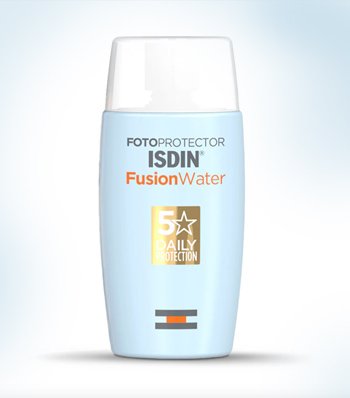
3. ISDIN Fusion Water SPF 50
Best For: Daily city use
Pros
- Water-based formula
- Fast absorption
- Non-greasy finish
Cons
- Slightly expensive
Best Sunscreens for Dry Skin
Dry skin benefits from sunscreens that include moisturizing ingredients like hyaluronic acid, ceramides, glycerin, or squalane.
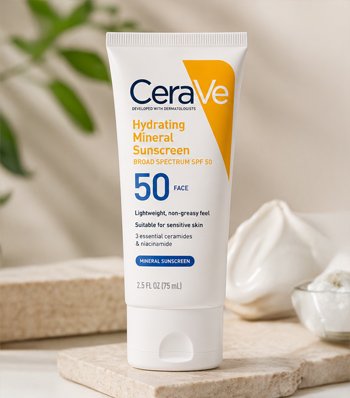
1. CeraVe Hydrating Mineral Sunscreen SPF 50
Pros
- Contains ceramides
- Supports the skin barrier
- Fragrance-free
Cons
- Can leave a slight white cast on deeper skin tones
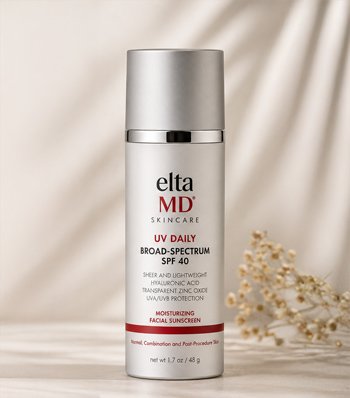
2. EltaMD UV Daily SPF 40
Pros
- Hydrating formula
- Lightweight texture
- Suitable for everyday use
Cons
- Premium pricing
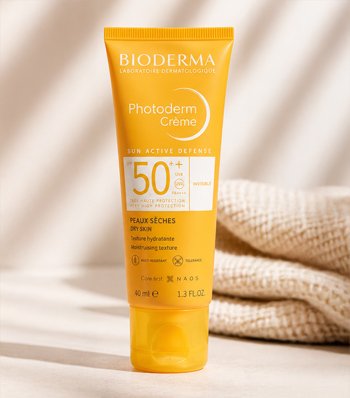
3. Bioderma Photoderm Crème SPF 50+
Pros
- Nourishing texture
- Comfortable for dry skin
- Broad-spectrum protection
Cons
- May feel rich in humid weather
Best Sunscreens for Sensitive Skin
Sensitive skin needs gentle, fragrance-free formulas that minimize irritation.
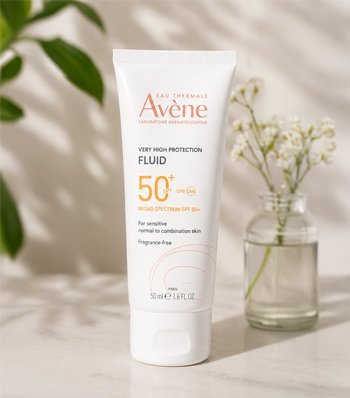
1. Avène Very High Protection Fluid SPF 50+
Pros
- Gentle formula
- Fragrance-free
- Suitable for sensitive skin
Cons
- Higher price point
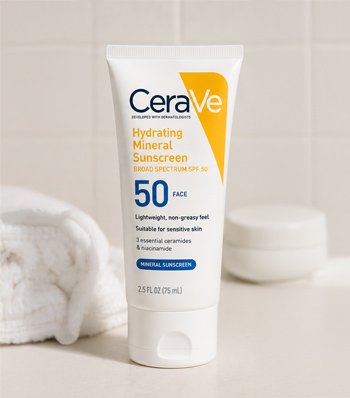
2. CeraVe Hydrating Mineral Sunscreen
Pros
- Mineral UV filters
- Ceramides and niacinamide
- Dermatologist-developed
Cons
- Slight white cast
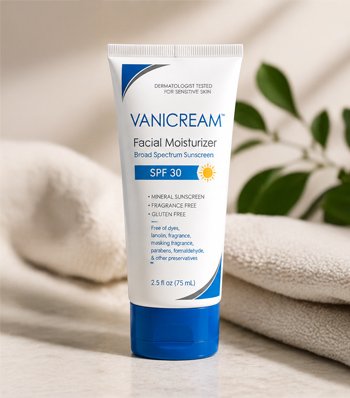
3. Vanicream Facial Moisturizer SPF 30
Pros
- Minimal ingredients
- Excellent for reactive skin
- Fragrance-free
Cons
- Lower SPF than some alternatives
How to Choose the Right Sunscreen
When shopping for sunscreen, consider the following:
Choose SPF 30 or Higher
SPF 30 is suitable for everyday use, while SPF 50 provides additional protection for extended outdoor exposure.
Look for Broad-Spectrum Protection
A broad-spectrum sunscreen protects against both UVA and UVB rays.
Match Your Skin Type
- Oily Skin: Gel or fluid formulas with a matte finish.
- Dry Skin: Cream-based, hydrating formulas.
- Sensitive Skin: Fragrance-free mineral or gentle chemical sunscreens.
Water Resistance
If you exercise, swim, or spend time outdoors, choose a water-resistant sunscreen and reapply as directed.
How to Apply Sunscreen Correctly
For the best protection:
- Apply sunscreen as the final step of your morning skincare routine.
- Use a generous amount to cover your face, neck, and ears.
- Apply 15–20 minutes before sun exposure when required by the product instructions.
- Reapply every two hours during prolonged outdoor activity, and after swimming or excessive sweating.
Frequently Asked Questions
Can I skip sunscreen if I’m indoors?
If you’re near windows or receive significant daylight exposure, daily sunscreen is still beneficial.
Is SPF 100 necessary?
For most people, SPF 30–50 provides excellent daily protection when applied correctly and reapplied as needed.
Does sunscreen prevent tanning?
Sunscreen reduces UV exposure but does not completely block tanning. Proper application and reapplication are essential.
Should I wear sunscreen in winter?
Yes. UV rays are present throughout the year, making daily sun protection an important part of any skincare routine.
Final Thoughts
The best sunscreen is the one you’ll wear consistently every day. By choosing a formula that suits your skin type, you’ll be more likely to make sunscreen a daily habit.
Whether you have oily, dry, or sensitive skin, there are excellent options available to provide comfortable wear and reliable sun protection.
Affiliate Disclosure: This article may contain affiliate links. If you purchase through these links, Deelyra may earn a commission at no additional cost to you. Our recommendations are based on research and are intended to help readers make informed buying decisions.